
AI Is Nothing Without Sensors: Understanding AI in Product Development
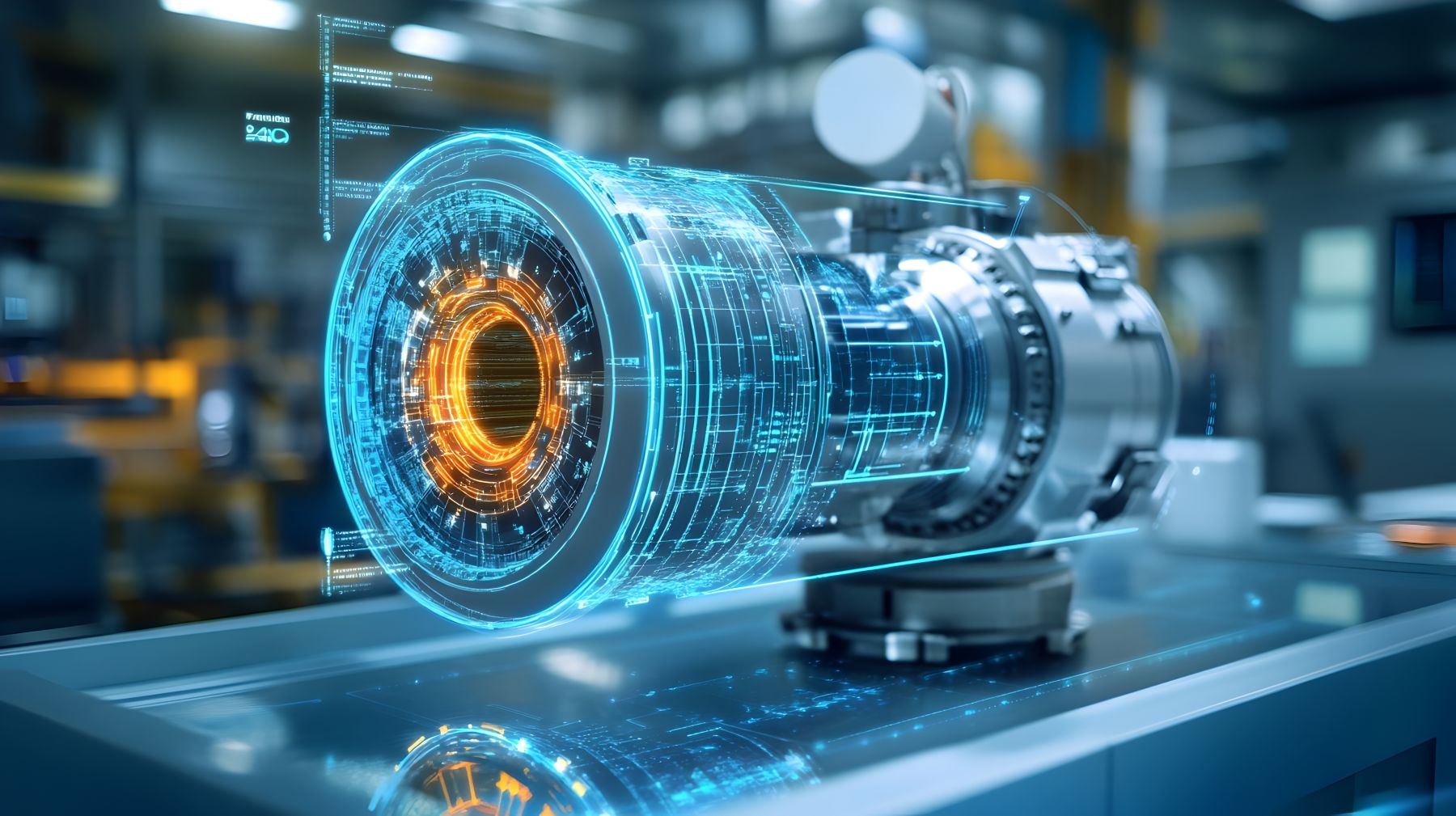
There’s a common misconception in today’s AI conversation: that intelligence lives in the algorithm. In reality, AI is only as powerful as the data it receives. In physical products, the most valuable AI data usually starts at the sensor layer — then expands through machine telemetry, test data, process conditions, and operational context.
For companies investing in AI in product development, this distinction is critical. Without accurate, synchronized, and meaningful sensor data, even the most advanced models fail to deliver real-world value.
AI Needs the Physical World
When it comes to AI in product development, AI does not inherently understand the physical environment. It interprets it. That interpretation depends on:
- What is being measured
- How accurately it is captured
- How well multiple data streams align in time
- How quickly the system can respond
If any of these break down, so does the intelligence. This is why product teams often struggle when trying to “add AI” late in development. They’ve built a device but not a data system.
Sensor Fusion: Where Real Intelligence Begins
Modern intelligent products rarely rely on a single input. Instead, they combine multiple data sources such as acoustic, visual, vibration, and thermal to create a complete picture.
This process, known as sensor fusion, is what allows AI to move from reactive to predictive.
Sensor fusion requires:
- Precise time synchronization across sensors
- High-speed data acquisition
- Custom hardware capable of capturing signals at the right resolution
- Firmware that ensures data integrity at the source
Without this foundation, AI models are forced to work with fragmented or misaligned inputs, leading to unreliable outputs.
Why Edge AI Changes the Equation
As data volumes grow, especially in industrial environments, sending everything to the cloud is not always practical. This is where edge AI becomes essential. By processing data directly on the device:
- Massive data streams can be analyzed in real time
- Latency is reduced
- Bandwidth limitations are avoided
- Systems can operate even without constant connectivity
For high-speed, multi-sensor systems, edge AI isn’t an optimization; it’s a requirement.
Real-World Applications of AI in Product Development
When sensor systems and AI are designed together from the start, the result is not just smarter products but more capable ones.
Industrial Systems
High-speed sensors detect machine behaviors invisible to humans, enabling predictive maintenance and diagnostics on the factory floor.
MedTech Devices
Lower-volume sensor data, often processed in the cloud, supports applications like acoustic diagnostics and continuous monitoring systems.
Consumer Electronics and Smart Devices
Connected products leverage telemetry and embedded intelligence to adapt, self-diagnose, and operate reliably, even in low-connectivity environments.
Across each of these industries, the common thread is clear: AI delivers value only when the underlying data system is engineered correctly.
Pegmatis’ Perspective: Engineering the Full Stack
At Pegmatis, AI is not treated as a standalone capability. It is part of a tightly integrated system that spans:
- Sensor selection and placement
- High-speed data acquisition
- Custom hardware design
- Firmware for synchronization and integrity
- Edge and cloud-based AI models
This approach is rooted in years of experience building connected systems and is reinforced by ongoing AI research and development.
The result is the ability to handle extremely high-rate, multi-sensor data environments and translate them into meaningful, real-time insights.
AI Is Only as Strong as Its Foundation
As AI continues to reshape industries, the winners will not be those with the most complex models but rather those with the most reliable data systems. Because in product development, intelligence doesn’t start in the cloud. It starts at the sensor.
Looking for a partner who truly understands AI in product development for your next project? Get in touch with the Pegmatis team today.
Your trusted product development partner
Pegmatis is your ultimate end-to-end design partner, delivering exceptional hardware, software, and firmware solutions to bring your product vision to life. We specialize in high-fidelity design, cost-driven architecture, and seamless manufacturing support, leveraging our extensive network for mass production. Whether you need expertise with medical products, regulated industry solutions, connected technology, or other complex innovations, our team is equipped to handle even the most complex challenges.
Our story began as an elite design center for a Fortune 500 company, where we collaborated with top-tier customers to launch numerous high-volume products into the market. In 2016, Pegmatis emerged as an independent entity, carrying forward the same Dream Team and adding an elite software group to provide truly comprehensive product development services. With Pegmatis, you're not just hiring experts; you're partnering with a proven team dedicated to your success.
Related Blogs

Pegmatis to Exhibit and Present Deep Tech Award to Healthcare Startup at Brampton Venture Expo (BVX) 2026
Leading hardware, software, and firmware development firm Pegmatis will exhibit at BVX 2026 and sponsor the Mitacs Health Innovation Showcase pitch competition organized by Brampton Venture Zone.

AI for Product Development: How to Identify When AI Actually Adds Value to a Product
Components to think about when considering whether implementing AI for product development would be beneficial.
Medical Device Innovation & the Gartner Hype Cycle: What Innovators Need to Know
Learn how the Gartner Hype Cycle shapes medical device innovation and discover strategies to navigate development, adoption, and long-term success.