
Edge AI vs. Cloud AI: Maximizing ROI in AI and IoT Development

The power of modern AI and IoT products lies in their ability to make instantaneous, intelligent decisions. But where should that intelligence reside, on the device itself (Embedded AI, often called Edge AI), or remotely in the cloud? The answer dictates everything from your product's performance and cost to its compliance, Return on Investment (ROI), and profitability.
Choosing the right processing architecture is the most critical strategic decision facing any AI and IoT development project. At Pegmatis, we specialize in architecting holistic systems, ensuring the intelligence layer is perfectly matched to the operational requirements of your product.
Cloud-Based AI: The Traditional Model
Cloud AI is the classic approach, leveraging massive computing resources available through services like AWS or Azure. Data is collected by the IoT device and transmitted to a central server for analysis, model updates, and decision-making.
Cloud AI Advantages
- Model Flexibility: Easier to update and retrain AI models without touching the physical device.
- High Computing Power: Necessary for deep learning and complex analysis of low-volume data. This centralized approach enables high scalability and concurrent user sessions, as demonstrated in our Blue-sky thinking meets cloud-based technologies case study.
- Lower Device Cost: Reduces the need for expensive, high-power embedded processors.
Cloud AI Challenges
- Latency: Network delays can make real-time decisions impossible (e.g., collision avoidance).
- Connectivity Dependence: Requires a reliable, consistent internet connection to function.
- Operating Cost: High ongoing data transmission and server processing fees.
Embedded AI (Edge AI): Intelligence on the Device
Embedded AI processes data directly on the IoT device using specialized processors. This strategy is essential when real-time speed and low latency are non-negotiable.
Embedded AI Advantages
- Real-Time Performance: Enables instantaneous action (milliseconds) critical for industrial control or autonomous systems.
- Low Latency & High Reliability: Functions fully even with intermittent or zero network connectivity. This level of reliability is necessary for regulated industries. (Read What You Need to Know About Medtech Product Design in 2025.)
- Data Privacy & Security: Sensitive data can be processed and scrubbed locally, addressing compliance concerns.
Embedded AI Challenges
- Limited Model Size: Models must be optimized and compressed to run on constrained hardware.
- Costly Hardware: Requires specialized, robust, and often expensive embedded processors (ASICs, optimized FPGAs, etc.).
- Over-the-Air Updates: Updating firmware and AI models can be complex and riskier than cloud updates.
Pegmatis's Unique Strength: Maximizing ROI in AI and IoT Development
While many AI and IoT development companies default to the cloud, Pegmatis identifies scenarios where Edge AI provides the crucial competitive edge, often driven by the sheer volume and speed of the data.
Our expertise is differentiated by our ability to manage the AI and IoT challenge from the sensor up:
- High-Speed Data Acquisition: In industrial settings, our systems collect terabytes of data at extremely high sampling rates, far too much data to transfer to the cloud. Edge AI is the only viable strategy here.
- Sensor Fusion: We design custom hardware and firmware to synchronize multiple sensors (acoustic, visual, vibration). The resulting complex, multi-sensor data requires local, immediate processing to extract meaningful, correlated insights.
- The Industrial ROI: For applications like machine health monitoring, the ROI of Edge AI is massive. Preventing a catastrophic factory machine failure with real-time diagnostics far outweighs the cost of the embedded processor.
Pegmatis leverages its deep background in connected systems, IoT and AI, and custom hardware design to seamlessly integrate the correct AI processing layer, whether that is robust Cloud AI for lower-volume MedTech data or pioneering Embedded AI solutions for high-velocity industrial challenges.
Choosing the right architecture maximizes your ROI, ensures performance, and unlocks the true potential of your AI and IoT product.
Consult with our team today to architect the perfect AI solution for your connected device.
Related Articles
Your trusted product development partner
Pegmatis is your ultimate end-to-end design partner, delivering exceptional hardware, software, and firmware solutions to bring your product vision to life. We specialize in high-fidelity design, cost-driven architecture, and seamless manufacturing support, leveraging our extensive network for mass production. Whether you need expertise with medical products, regulated industry solutions, connected technology, or other complex innovations, our team is equipped to handle even the most complex challenges.
Our story began as an elite design center for a Fortune 500 company, where we collaborated with top-tier customers to launch numerous high-volume products into the market. In 2016, Pegmatis emerged as an independent entity, carrying forward the same Dream Team and adding an elite software group to provide truly comprehensive product development services. With Pegmatis, you're not just hiring experts; you're partnering with a proven team dedicated to your success.
Related Blogs
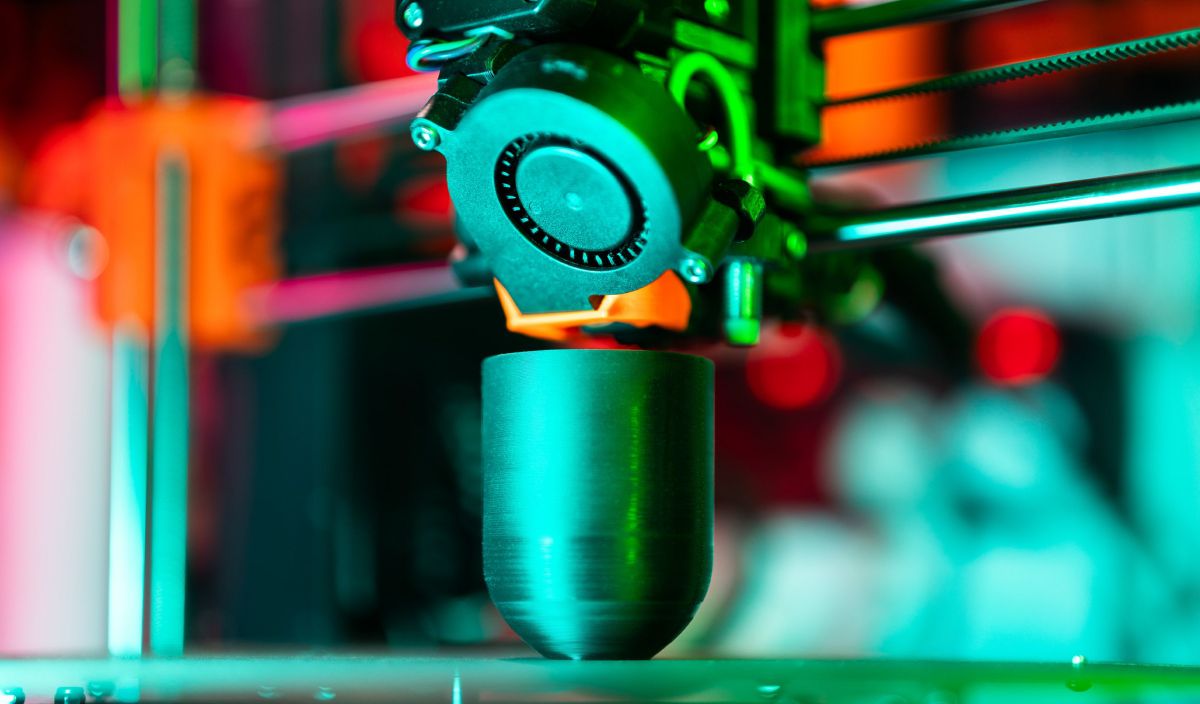
7 Critical Mistakes to Avoid in the New Product Development Process
Master your new product development process. Learn why missing requirements, weak system testing, and ignoring DFM can jeopardize your launch.

Pegmatis to Exhibit and Present Deep Tech Award to Healthcare Startup at Brampton Venture Expo (BVX) 2026
Leading hardware, software, and firmware development firm Pegmatis will exhibit at BVX 2026 and sponsor the Mitacs Health Innovation Showcase pitch competition organized by Brampton Venture Zone.
AI for Product Development: How to Identify When AI Actually Adds Value to a Product
Components to think about when considering whether implementing AI for product development would be beneficial.