
Medical Device Innovation & the Gartner Hype Cycle: What Innovators Need to Know
The path to successful medical device innovation is rarely a straight line. While breakthrough technologies often generate excitement and optimism, bringing a new medical device to market involves navigating regulatory requirements, clinical validation, user adoption, and real-world performance challenges.
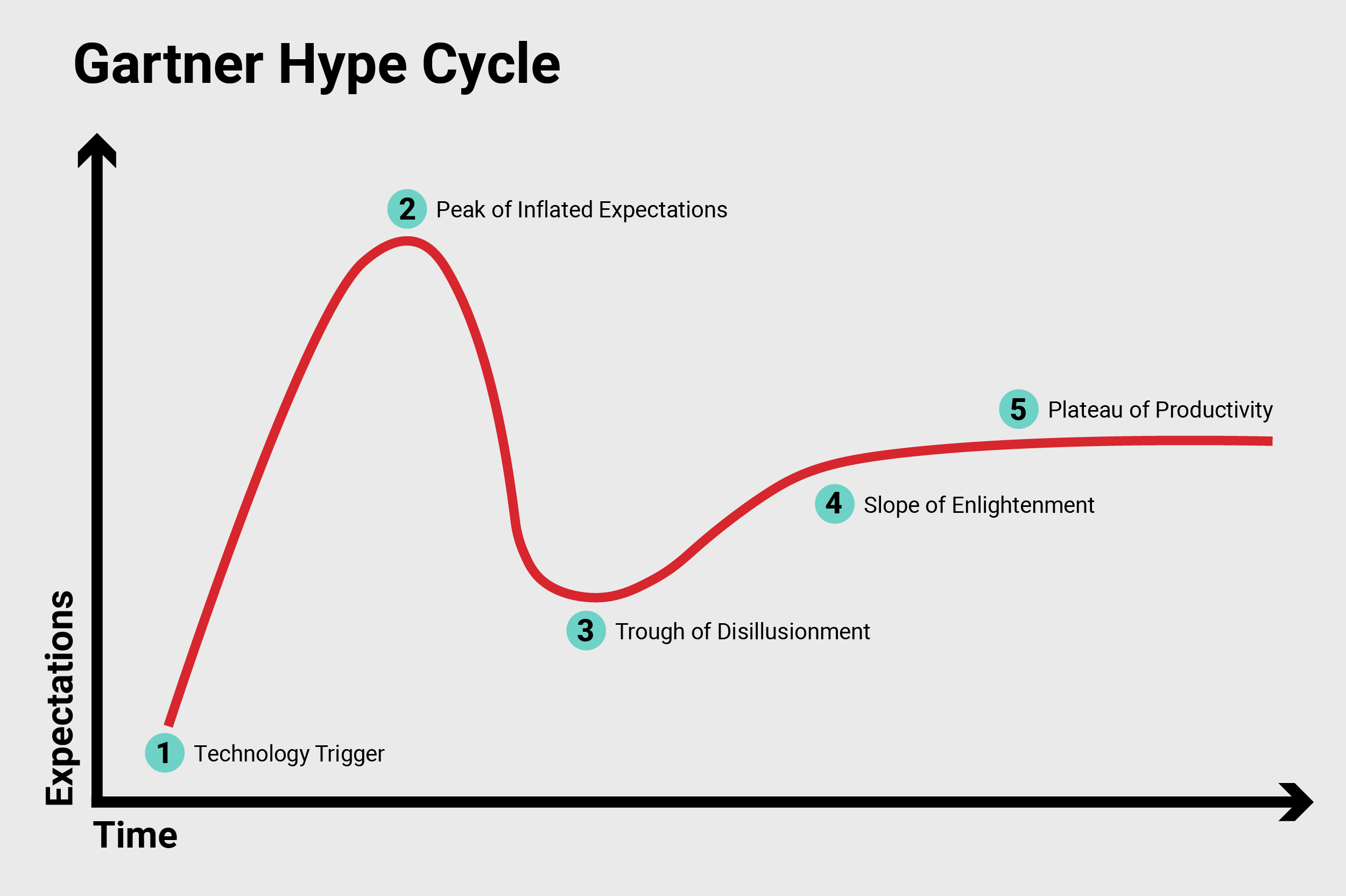
One framework that helps innovators understand this journey is the Gartner Hype Cycle. Originally developed to track the adoption of emerging technologies, the model provides valuable insight into how new ideas progress from initial excitement to long-term success through five stages. For companies focused on medical device innovation, understanding these stages can help guide development strategies, investor communications, and market expectations.
Stage 1: Innovation Trigger
Every major advancement begins with a breakthrough. In healthcare, this may include AI-powered diagnostics, wearable biosensors, remote patient monitoring technologies, or advanced surgical tools. At this stage, the technology demonstrates significant promise, attracting attention from researchers, healthcare providers, and investors.
Stage 2: Peak of Inflated Expectations
As excitement grows, expectations can rise quickly. Media coverage, industry buzz, and investor enthusiasm often create the perception that the technology will rapidly transform healthcare. While some innovations deliver on these expectations, many still face significant development and commercialization hurdles.
Stage 3: Trough of Disillusionment
This stage is where reality sets in. Regulatory delays, clinical trial setbacks, reimbursement challenges, and technical limitations can slow progress. Many promising technologies struggle during this phase, and some fail to move forward. However, organizations that remain focused and adaptable often emerge stronger with more refined products and strategies.
Stage 4: Slope of Enlightenment
As real-world testing and validation continue, successful technologies begin proving their value. Clinical evidence accumulates, workflows improve, and healthcare providers gain confidence in the device's capabilities. Lessons learned during earlier stages help shape a more practical and sustainable path to adoption.
Stage 5: Plateau of Productivity
At the final stage, the technology achieves meaningful market acceptance. Healthcare organizations understand its benefits, implementation becomes more scalable, and outcomes are consistently demonstrated. The innovation evolves from a promising concept into a trusted solution that delivers measurable value.
Why the Hype Cycle Matters for Medical Device Innovation
Understanding where a product falls within the Gartner Hype Cycle can provide valuable perspective for innovators and stakeholders. It helps companies set realistic expectations, prioritize resources, and develop strategies that align with their current stage of growth.
For startups and emerging companies, this knowledge can also support fundraising efforts by helping investors understand both the opportunities and challenges ahead. Rather than overpromising results, organizations can communicate a clear roadmap based on evidence and realistic timelines.
How to Navigate the Cycle Successfully
While every product follows a unique path, several best practices can improve the chances of success in medical device innovation:
- Develop clinical evidence early to support safety and effectiveness claims
- Establish a regulatory strategy from the beginning of the development process
- Prioritize user-centered design to ensure compatibility with existing clinical workflows
- Remain flexible and willing to adapt based on testing results, feedback, and market conditions
- Maintain transparent communication with investors, healthcare providers, and other stakeholders regarding timelines, risks, and expected outcomes
True medical device innovation is about more than introducing new technology. Success depends on earning trust from clinicians, patients, regulators, and healthcare organizations. Devices that deliver proven outcomes, integrate seamlessly into workflows, and address real-world challenges are far more likely to achieve lasting adoption.
By understanding the Gartner Hype Cycle and preparing for each stage of the journey, innovators can make smarter decisions, manage expectations, and increase their chances of turning groundbreaking ideas into impactful healthcare solutions.
In the end, medical device success is not just about innovation, it's about timing, trust, and traction.
At Pegmatis, we have experience with product development of medical devices. Get in touch with us to talk about your next medical device project.
Your trusted product development partner
Pegmatis is your ultimate end-to-end design partner, delivering exceptional hardware, software, and firmware solutions to bring your product vision to life. We specialize in high-fidelity design, cost-driven architecture, and seamless manufacturing support, leveraging our extensive network for mass production. Whether you need expertise with medical products, regulated industry solutions, connected technology, or other complex innovations, our team is equipped to handle even the most complex challenges.
Our story began as an elite design center for a Fortune 500 company, where we collaborated with top-tier customers to launch numerous high-volume products into the market. In 2016, Pegmatis emerged as an independent entity, carrying forward the same Dream Team and adding an elite software group to provide truly comprehensive product development services. With Pegmatis, you're not just hiring experts; you're partnering with a proven team dedicated to your success.
Related Blogs

Pegmatis to Exhibit and Present Deep Tech Award to Healthcare Startup at Brampton Venture Expo (BVX) 2026
Leading hardware, software, and firmware development firm Pegmatis will exhibit at BVX 2026 and sponsor the Mitacs Health Innovation Showcase pitch competition organized by Brampton Venture Zone.

AI for Product Development: How to Identify When AI Actually Adds Value to a Product
Components to think about when considering whether implementing AI for product development would be beneficial.

Why Manufacturing Test Systems Matter
Manufacturing test systems ensure every product meets performance standards at scale. Learn why they are critical to product validation and production success.